
Refrigerant Leak Detection
Refrigerant leaks are expensive and, unlike most faults, they are also a legal matter. Refrigerant gas is costly to replace, leaking systems run less efficiently and work harder to hold temperature, and the gases themselves have an environmental and health impact. Operators of refrigeration, air conditioning and heat pump equipment have specific duties under the GB F-Gas Regulation to prevent leakage, check for it at set intervals, repair it promptly and keep records.
IATT provide refrigerant leak detection and F-Gas leak checking throughout the UK, using our dedicated team of factory trained engineers strategically located across the country.
Your F-Gas Obligations
Responsibility under the F-Gas Regulation sits with the operator of the equipment, which in most cases means the business that owns or controls it, rather than the contractor who maintains it. That responsibility covers:
- Preventing refrigerant leakage
- Arranging leak checks at the required frequency
- Repairing any leak found without undue delay, and rechecking within a month of the repair
- Using certified personnel for any work involving F-Gas
- Keeping records for each system holding 5 tonnes CO2 equivalent or more
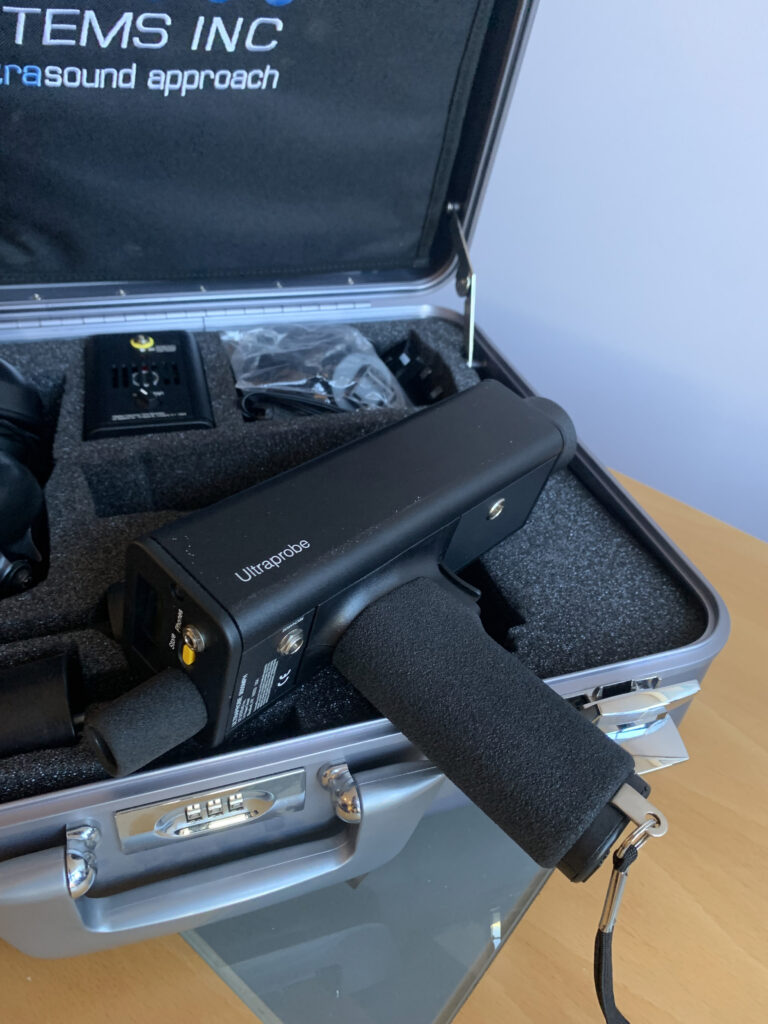

What Our Refrigerant Leak Detection Service Includes
- Leak checking at the frequency your systems require
- Detection of the leak source on refrigeration, air conditioning, chiller and heat pump equipment
- A report identifying each leak found and its location
- Quotation for the remedial work, with repairs carried out by our engineers
- Recheck following repair
- Records suitable for your F-Gas logbook
Why Leaks Are Worth Finding Early
A refrigeration system rarely stops working the moment it starts to leak. It loses charge gradually, and the first signs are usually a system that runs longer to hold the same temperature, higher energy consumption and, eventually, a loss of cooling capacity.
By the time the fault is obvious, gas has been escaping for some time and the replacement charge has to be paid for at current prices, which have risen sharply as higher GWP refrigerants are phased down. Running a system undercharged also puts additional stress on the compressor.
Where Refrigerant Leaks Commonly Occur
- Brazed and flared joints, particularly where pipework is subject to vibration
- Schrader valves and access ports
- Shaft seals and compressor connections
- Evaporator and condenser coils, especially where corrosion is present
- Flexible lines and pipework passing through walls or supports
Why Choose IATT
- A dedicated team of factory trained engineers strategically located throughout the UK
- Detection, repair and recheck provided by the same company
- Chillers, dry coolers and heat pumps supplied and serviced alongside leak detection
- Compressed air leak detection available on the same visit.
Get in touch today to chat to one of our experienced and knowledgeable staff who can help with any technical or other queries you might have. Request a free quote – we’re happy to help.
Click on the live chat button below.
Refrigerant Leak Detection FAQs
The operator of the equipment, which generally means the business that owns or controls it. The duty does not transfer to your maintenance contractor, although the contractor carries out the work.
Yes. We quote for the remedial work and can carry it out, then recheck the system afterwards.
Yes. Compressed air leak surveys are covered separately on our compressed air leak detection page, and both can be arranged on the same visit.